
6.38 mm laminated glass price
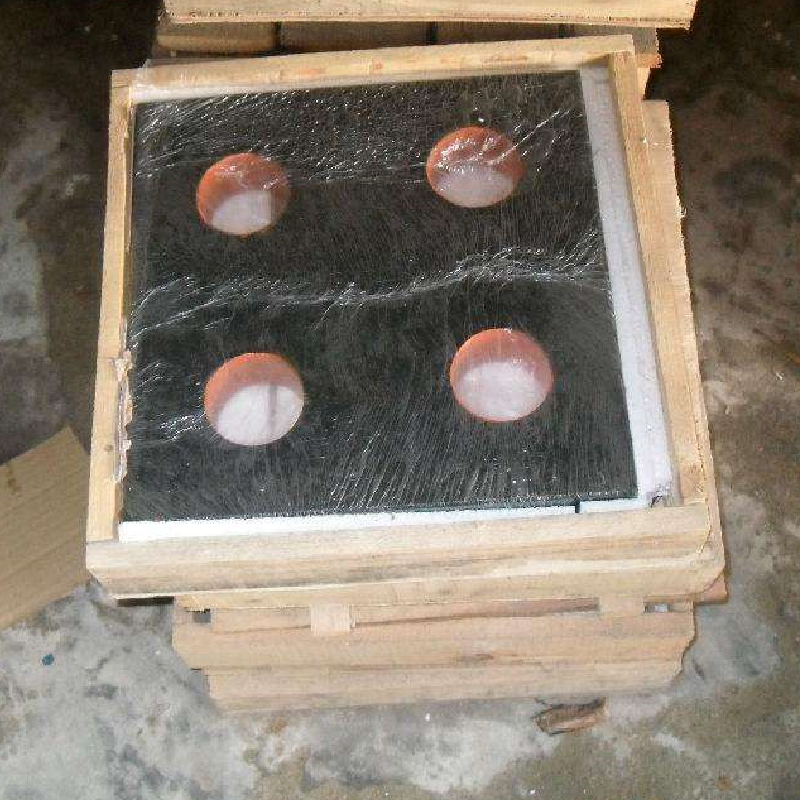
The Precision of Granite Cubes A Deep Dive into Quality and Applications Granite has long been celebrated for its durability and aesthetic appeal, making it a popular choice in construction, sculpture, and various design elements. Among the various forms in which granite is available, the precision granite cube stands out for its unparalleled accuracy and versatility, particularly in industrial applications. What is a Precision Granite Cube? A precision granite cube is a meticulously fabricated block of granite engineered to exhibit high dimensional stability and uniformity. These cubes are used as a reference standard in metrology, which is the science of measurement. Thanks to the inherent physical properties of granite—such as its hardness, resistance to temperature fluctuations, and minimal thermal expansion—precision granite cubes can maintain their shape and size over time. This makes them invaluable tools in manufacturing and engineering, where precision measurement is critical. Manufacturing Process The manufacturing of precision granite cubes requires advanced technology and skilled craftsmanship. The process begins with selecting high-quality granite blocks, which are then carefully inspected for any flaws or inconsistencies. Using specialized machinery, the granite is cut to the desired dimensions, often measuring 100 mm or 200 mm on each side. Following the initial cutting, the cubes undergo grinding and polishing to achieve a remarkably smooth surface finish. This surface quality is essential, as it influences the accurate measurement of various components that come into contact with the cube. Once polished, the cubes are calibrated against known standards using laser interferometry or other advanced measurement techniques. This step ensures that the cubes can serve as reliable references for calibrating other measurement instruments, from micrometers to coordinate measuring machines (CMMs). Applications in Industry precision granite cube Precision granite cubes find a myriad of applications across different sectors. In the manufacturing industry, they are predominantly used for quality control. They serve as a benchmark for inspecting the accuracy of parts produced by machining processes. This capability is crucial, as even the slightest deviation can affect the overall performance of a product, particularly in industries such as aerospace and automotive. Furthermore, precision granite cubes are widely utilized in laboratories for calibration purposes. Their ability to maintain dimensional stability under varying environmental conditions makes them ideal for ensuring that measurement instruments yield accurate results. This application is vital in scientific research, where precise measurements are fundamental to achieving reproducible results. Advantages of Using Granite The use of granite in precision measurement offers several key advantages. First and foremost, granite's natural properties make it highly resistant to wear and deformation. Unlike metals, which may warp over time, granite retains its integrity, providing a long-lasting solution for precision measurement needs. Additionally, granite is not susceptible to rust or corrosion, ensuring that it can be used in a variety of environments without degrading. Moreover, the aesthetic appeal of granite allows it to be utilized not just in industrial settings but also in architectural applications. Many architects and designers opt for precision granite cubes in high-end projects, as they blend functionality with beauty. This trend reflects the increasing demand for materials that are both durable and visually striking. Conclusion In conclusion, precision granite cubes are an essential part of the modern industrial landscape, playing a critical role in ensuring measurement accuracy. Their remarkable properties make them ideal for calibration and quality control across various sectors. As industries continue to prioritize precision and efficiency, the demand for high-quality precision granite cubes is likely to persist, underscoring the value of this timeless material in a rapidly advancing technological world.
about
6.38 mm laminated glass price
The Importance of Large Granite Surface Plates in Precision Engineering In the realm of precision engineering and quality control, large granite surface plates stand as indispensable tools. These flat, stable surfaces play a critical role in various applications, from simple layout work to the most complex machining processes. Their properties make them uniquely suited for ensuring measurement accuracy and facilitating the inspection of parts in manufacturing and engineering environments. Granite is a naturally occurring stone composed mainly of quartz, feldspar, and mica. Its inherent properties—such as hardness, strength, and resistance to wear—make it the ideal material for surface plates. The large granite surface plates are particularly valued for their ability to provide a stable reference plane that ensures precision during various measurement processes. They are often used in conjunction with other measuring tools like calipers, micrometers, and gauge blocks, forming a complete quality assurance system in a workshop. One of the most significant advantages of large granite surface plates is their superior flatness and rigidity. Precision granite surface plates are meticulously manufactured to meet tight tolerances that can be critical in engineering applications. A highly flat surface reduces the margins for error in measurements and ensures that components are machined accurately according to specified dimensions. This accuracy reduces the likelihood of assembly problems later in the production process, thereby saving time and resources. Additionally, large granite surface plates are resistant to thermal expansion and contraction, a phenomenon that can affect measurements if temperatures fluctuate. Unlike metal plates, which can change dimensionally with temperature variations, granite remains stable under varying conditions . This stability is vital in environments where precision is paramount, such as aerospace and automotive manufacturing, where even the slightest errors can lead to catastrophic failures. large granite surface plate Another essential feature of granite surface plates is their resistance to corrosion and chemical damage. While metal surfaces might corrode or rust when exposed to moisture or various chemicals, granite remains unaffected. This property allows for their use in a range of environments, including those involving fluids or corrosive materials. By maintaining their integrity over time, large granite surface plates contribute to a prolonged lifespan of measuring tools and equipment, reducing maintenance costs for manufacturers. Furthermore, the surface of granite plates can be polished to an incredibly fine finish, enhancing their performance. A smoother surface means less friction when placing or sliding other tools across them. This property not only protects both the granite surface and the measuring tools from wear but also allows for smoother operation, facilitating precision tasks with ease. In addition to their functional benefits, large granite surface plates are often visually appealing, characterized by their natural patterns and colors. This aesthetic quality makes them not only practical equipment but also a notable feature in engineering and inspection facilities. Many workshops choose to showcase their granite plates as a testament to their commitment to quality and precision. To ensure that these tools maintain their accuracy over time, it is essential to care for large granite surface plates properly. Regular cleaning with non-abrasive materials and periodic calibration checks are crucial practices. Operators should also be trained in proper handling techniques to prevent chipping or damage, ensuring that these plates retain their precision characteristics for many years. In conclusion, large granite surface plates are a cornerstone of precision engineering, offering exceptional flatness, durability, and resistance to environmental factors. Their advantages in measurement accuracy, stability, and longevity make them invaluable assets in manufacturing and inspection settings. As technology continues to evolve, the role of granite surface plates remains crucial in maintaining the high standards required in modern engineering. Whether in high-tech industries or traditional manufacturing, these tools stand as a testament to the importance of precision in achieving quality outcomes.
-

High quality industrial productsagement

High quality industrial products
View Details -

Meet the diverse needs of customers

Meet the diverse needs of customers
View Details -

Strict quality control

Strict quality control
View Details -

Top raw materials

Top raw materials
View Details -

Trusted supplier

Trusted supplier
View Details
Our application



news and information
Wholesale Level Insights for Effective Business Strategies and Market Growth
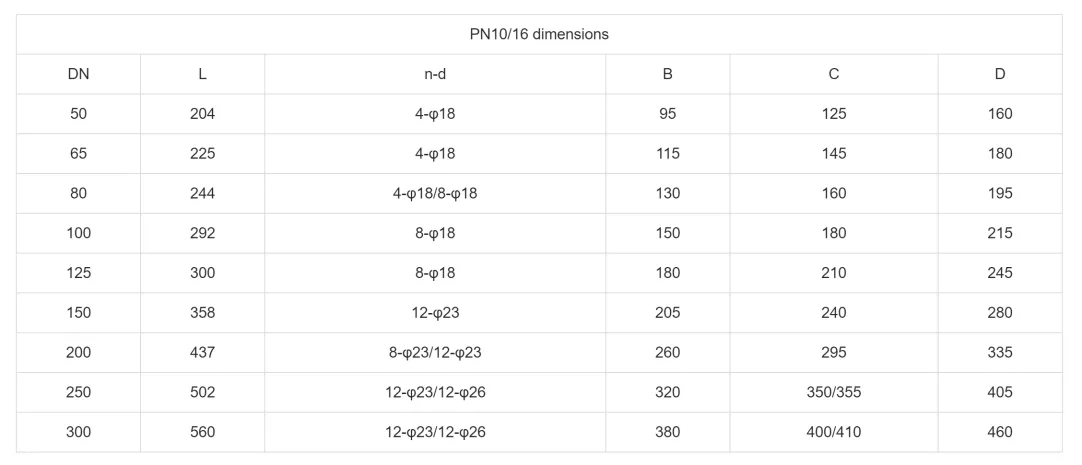
Understanding Level Wholesale A Comprehensive Overview In the ever-evolving landscape of retail and
water valve replacement
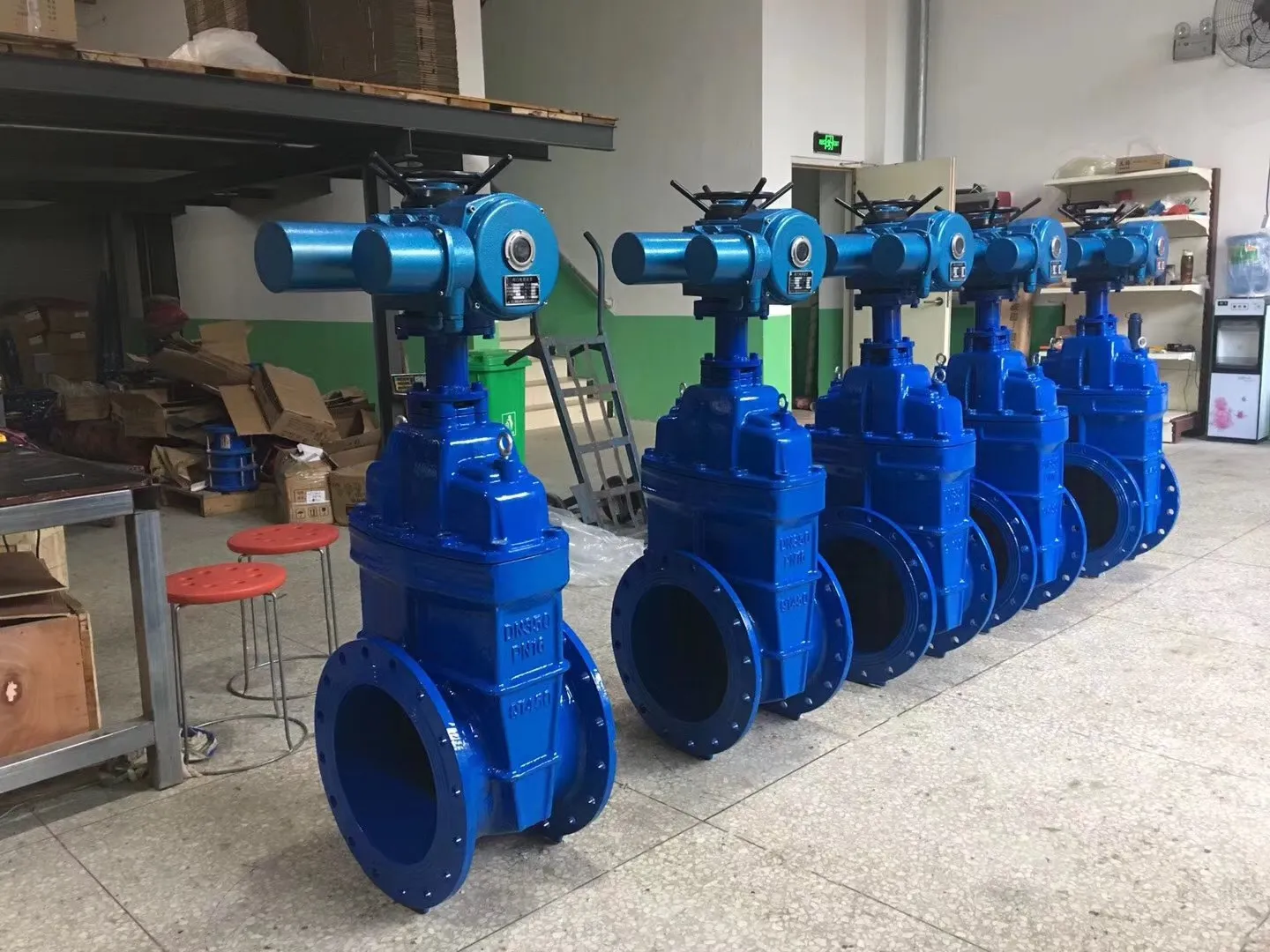
Water Valve Replacement Ensuring Optimal Performance in Your Plumbing System Water valves play a cri
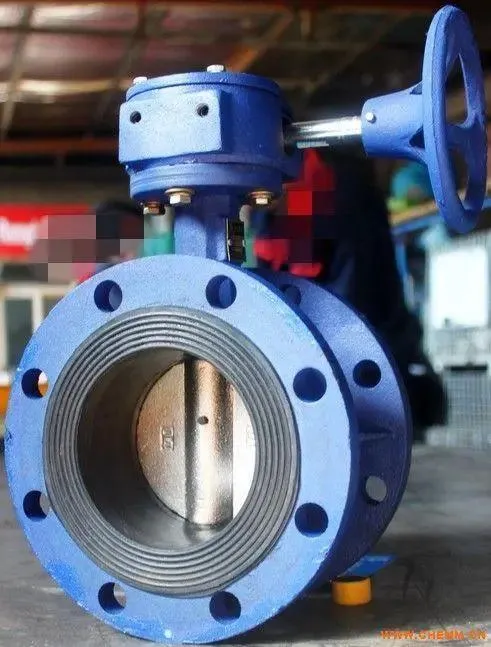
Versatile Granite Angle Plate for Precision Machining and Workholding Solutions
Understanding Granite Angle Plates A Key Tool for Precision Measurement In the realm of manufacturin
 English